Optimize Your Multimodal Flows
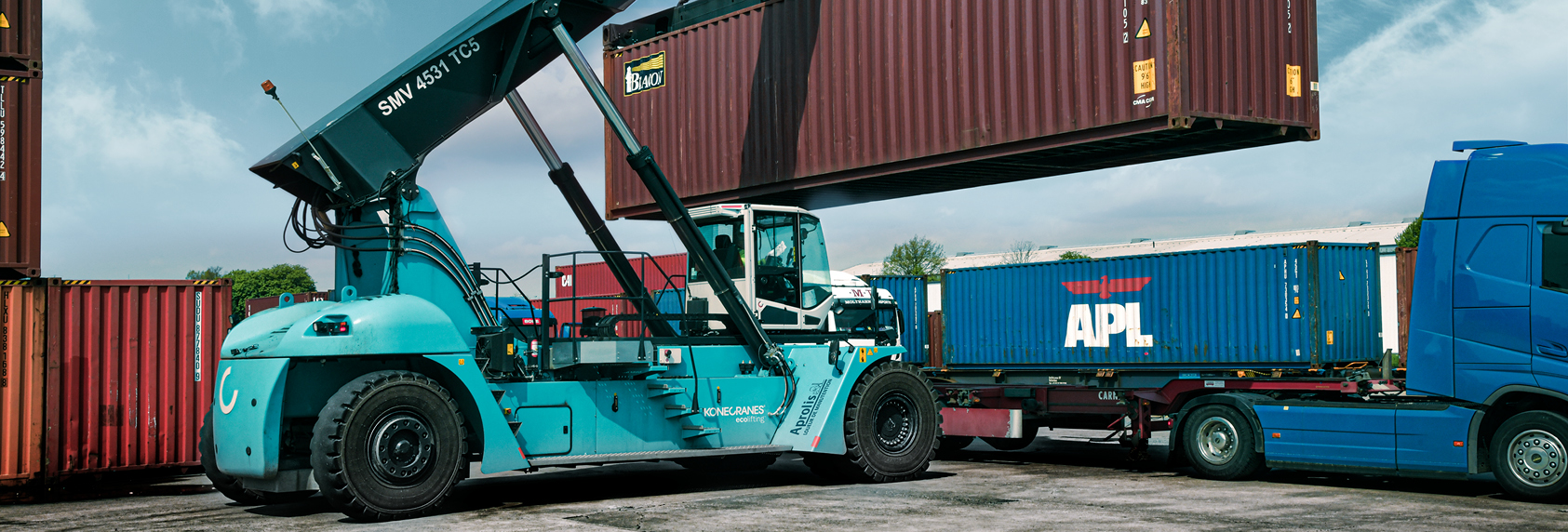
The multimodal sector is undergoing significant changes, facing complex goods flow management, rising costs, and increasingly stringent environmental requirements. Companies in this sector must continuously adapt their tools and processes to remain competitive while addressing contemporary logistical challenges. Here are three major issues to address.
1. Optimizing Flows and Reducing Costs
Multimodal companies need to efficiently coordinate different transport modes to maximize capacity utilization and reduce operational costs. This requires reliable and high-performing equipment capable of meeting flexibility and safety requirements.
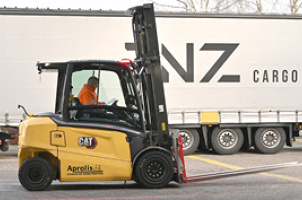
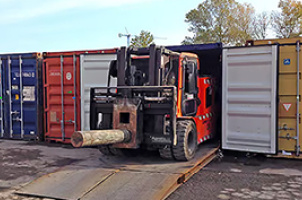
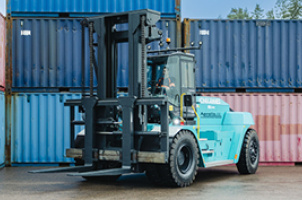
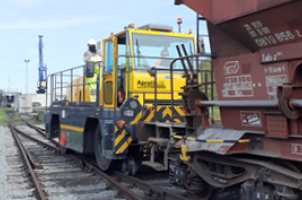
Electric heavy-duty forklifts provide enhanced reliability and high lifting capacity, ideal for operations requiring heavy loads. Their electric operation reduces maintenance costs and improves energy efficiency, thus contributing to optimal flow management. Rail-road shunters, specifically designed for railway handling, allow for connecting land and rail operations, facilitating coordination between different transport modes.
2. Managing Operational Complexity
Managing cargo handling breaks, variable delivery times, and coordination between transport modes can present significant logistical challenges. Companies need access to high-performance equipment that can adapt to complex and dynamic environments.
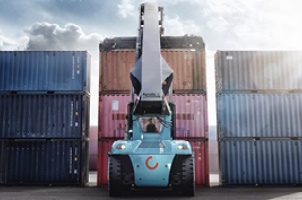
Reach stackers are perfect for container handling, offering high lifting capacity and ease of operation. They are ideal for optimizing container management in port areas or complex logistics sites. Additionally, electric heavy-duty forklifts provide the flexibility and adaptability required to navigate diverse environments, essential for managing logistical complexities in a sector where precision is critical.
3. Adapting to Environmental Challenges
Neutral carbon goals require a significant reduction in greenhouse gas emissions. Companies in the multimodal sector must meet these demands while continuing to ensure efficient logistics.
Lithium batteries improve the energy efficiency of forklifts while reducing electricity consumption and carbon footprint. These batteries are more eco-friendly than traditional solutions, contributing to operational decarbonization. Furthermore, electric heavy-duty forklifts offer a cleaner alternative to thermal equipment, thus reducing emissions and addressing the sector’s environmental imperatives.
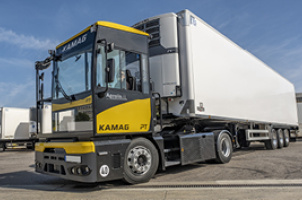
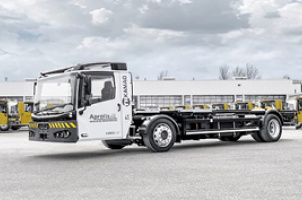
Rail-road shunters, electric heavy-duty forklifts, and reach stackers are designed to meet the unique challenges of the multimodal sector, offering sustainable, flexible, and high-performing solutions for optimizing logistics flows, managing operational complexity, and adapting to environmental requirements.